How It Works

From the open web to
structured intelligence.

Trace doesn't rely on self-reported surveys or stale databases. It applies AI to turn raw signals into reliable, structured company intelligence that stays current.

The data pipeline.

Five stages from raw signals to structured, queryable intelligence.

Signal Collection

Trace monitors thousands of data signals across the open web at scale, including technology fingerprints, infrastructure indicators, job postings, subprocessor disclosures, integration directories, and partnership pages. This is B2B company data only. No personal information is collected or stored.

Corpus Processing

Raw signal data is normalized, deduplicated, and organized into a searchable corpus. Each company becomes a structured record that preserves the original evidence alongside extracted signals, from technology fingerprints to partnership announcements to vendor disclosures.

AI-Native Intelligence

This is where Trace separates from legacy approaches. Trace uses a self-improving ecosystem of AI agents to monitor data signals, detect patterns, validate data, and supply technographic data at an unprecedented level of scope and quality. It doesn't just detect technologies. It maps vendor relationships, builds partner ecosystem graphs, and identifies change signals. The system isn't a static lookup table. It learns, and its accuracy compounds over time.

Structured Data

Detected technologies, vendor relationships, partner ecosystems, and change signals are organized into clean, queryable records. Each detection carries the underlying evidence, so you can trace any data point back to the source signal.

Delivery

Structured data flows to wherever you need it: REST API, MCP for AI agents, web UI for manual research, or direct CRM enrichment. Same dataset, multiple consumption patterns, credit-based metering.

Core Differentiator

A self-improving ecosystem of AI agents.

Legacy providers hire analysts to manually write and maintain detection rules. When a technology changes its footprint, their data goes stale until a human notices and updates the rule.

Trace works differently. A self-improving ecosystem of AI agents continuously monitors data signals, detects patterns, validates data, and generates detection logic that a human team couldn't maintain at this scale. When a technology changes how it presents, the system adapts. The result is a detection system that gets more accurate and more comprehensive over time, without scaling headcount.
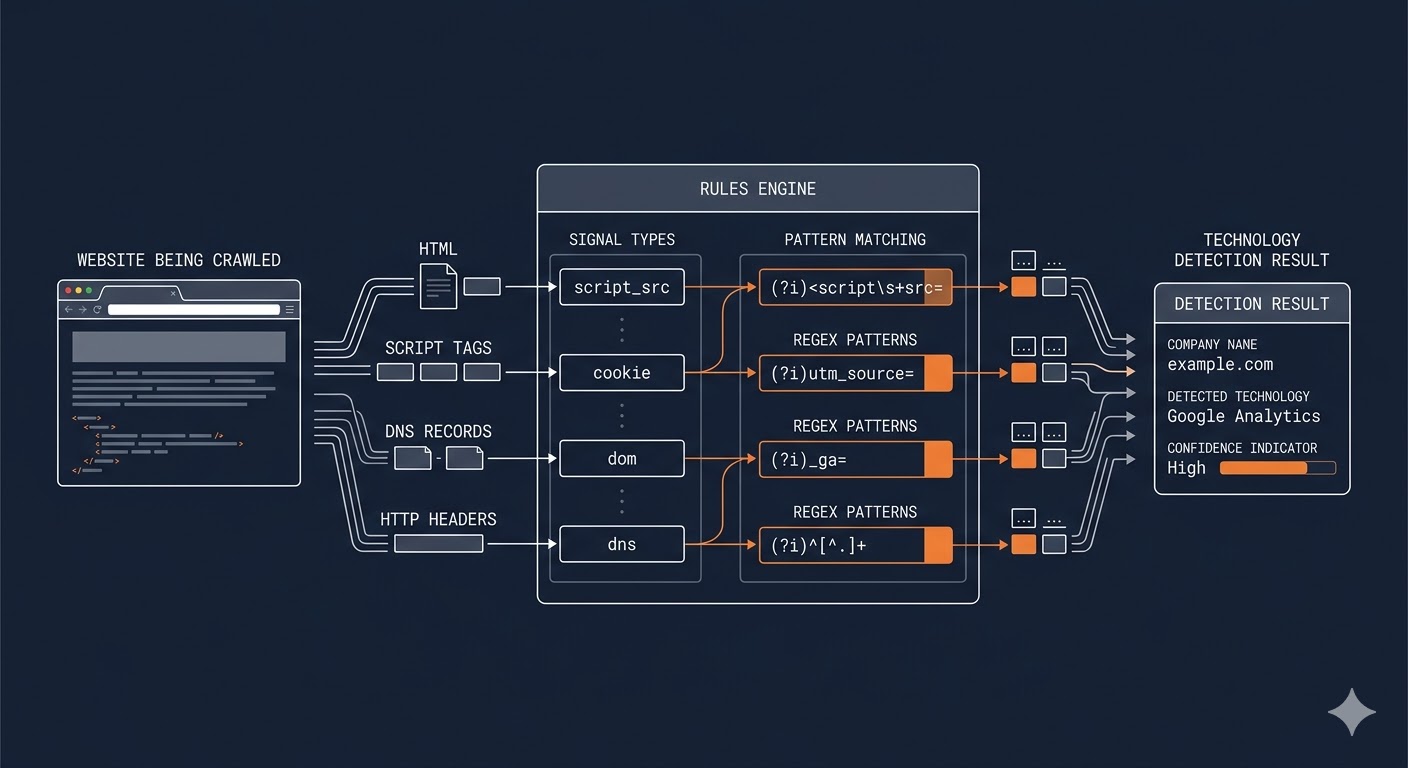
AI rules engine diagram

Partner Ecosystem Mapping

The partnership graph nobody else builds.

Most technographic providers stop at "what software does this company use?" Trace goes further, constructing a structured map of who partners with whom across the entire market.

That means you can query not just a company's tech stack, but their integration ecosystem: which platforms they've built connectors to, which vendors they co-sell with, and which partnerships were announced recently. It's a dimension of company intelligence that was previously locked inside hundreds of individual partnership directories and impossible to aggregate.
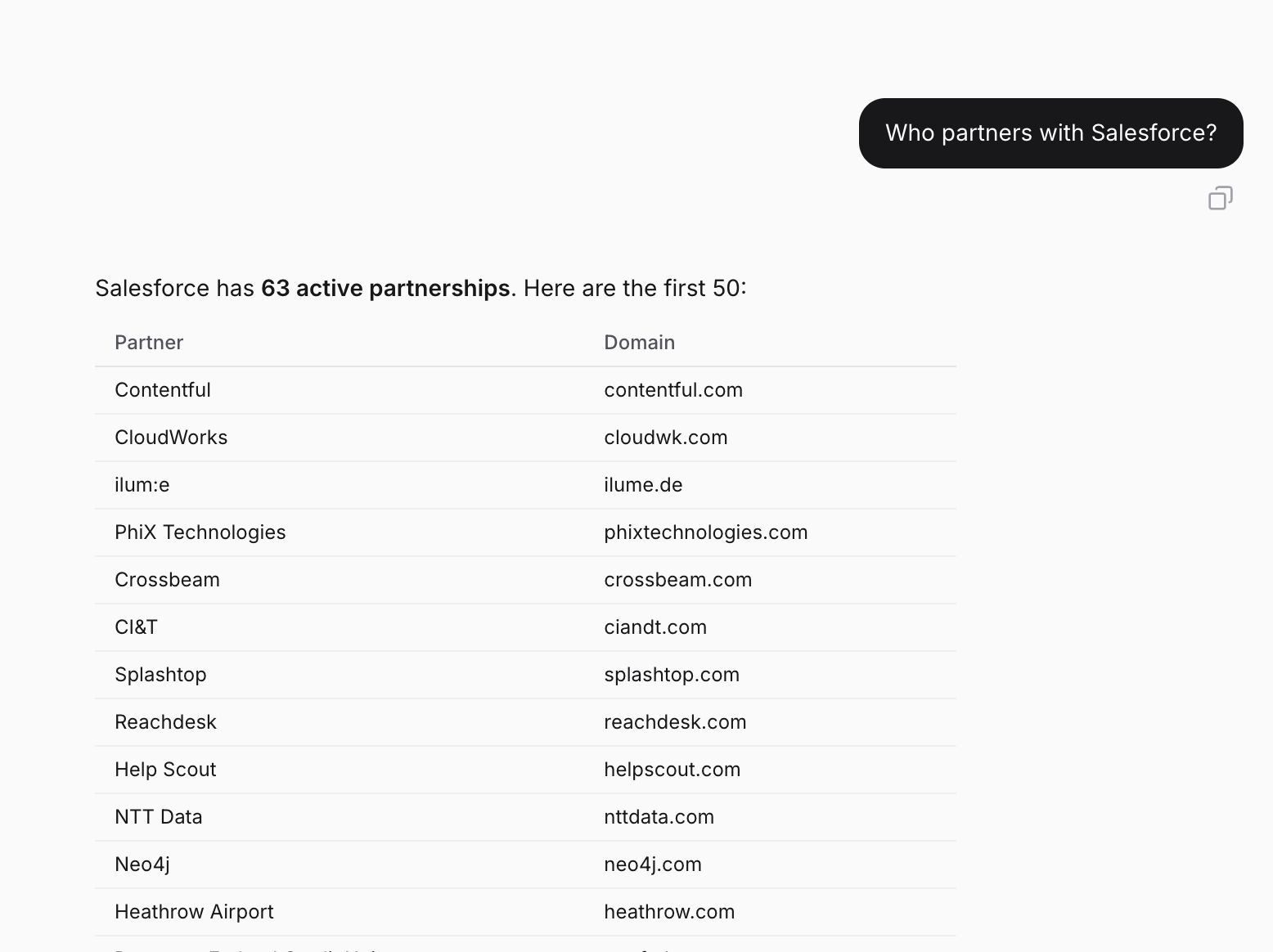
Partner ecosystem graph

Freshness

Refresh frequency that follows demand.

Most data providers refresh on a fixed schedule. Every company gets the same treatment whether anyone's looking at them or not. That's a waste when you're refreshing companies nobody cares about and leaving hot prospects to go stale.

Trace uses demand-driven refresh prioritization. Companies that are being looked up frequently get refreshed more often. Your active pipeline stays current. The long tail doesn't eat your refresh budget.
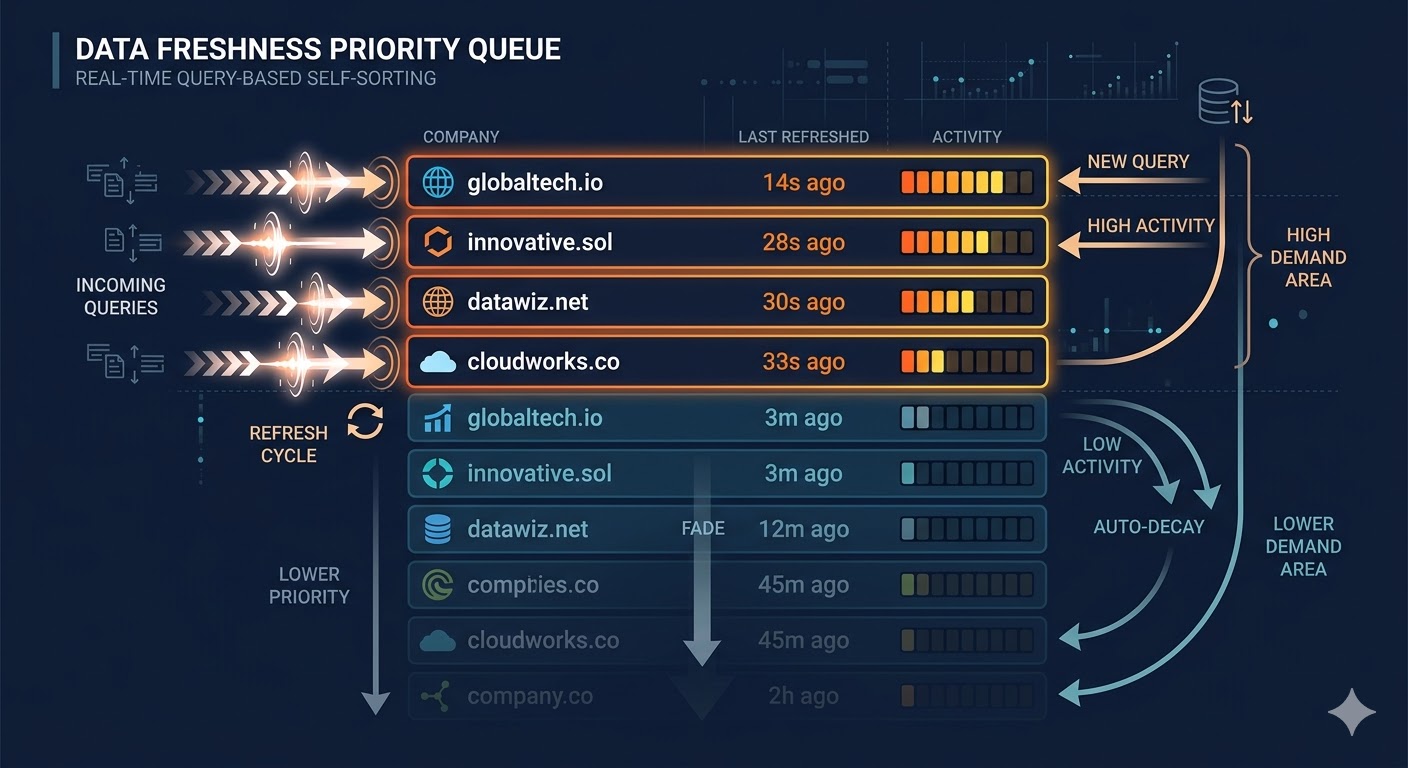
Demand-driven refresh illustration

Accuracy

A quality loop, not a quality team.

Both the API and the web UI include mechanisms for flagging suspected inaccuracies, and those flags don't just go into a queue for a human to triage. Flagged records are automatically reviewed by AI agents that can invalidate weak rules, eliminate incorrect detections, and update the underlying logic.

The more people (and agents) use Trace, the more accurate it becomes. That's not a marketing claim. It's the architecture.
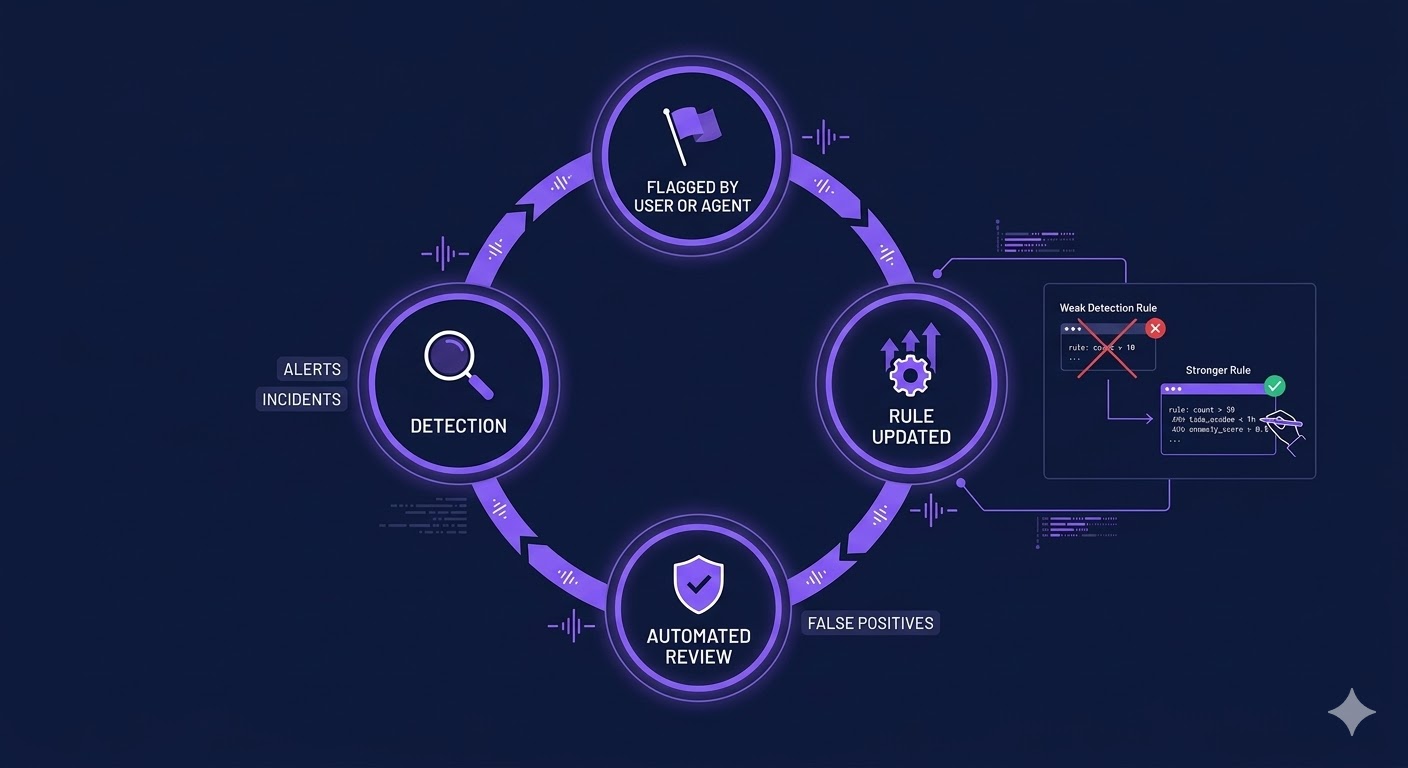
Accuracy feedback loop diagram

Security & Compliance

Company intelligence, not contact databases.

Trace collects B2B company data: technographics, vendor relationships, partnership signals. No personal data. No contact information. No PII of any kind.

SOC 2 Audited

Examined by top-tier auditors. Enterprise-grade security posture from day one.

ISO Certified

International standards for information security management systems.

No PII Collected

We collect company-level signals only. No personal information is collected or stored.

See it in action.

Get your API key and query your first company in under five minutes.